How tokenisation transformed digital wallets, e-commerce and banking
The brief
Tokenisation has emerged as a foundational security technology in modern payments infrastructure, enabling the replacement of sensitive financial data with encrypted, non-sensitive substitutes known as tokens. While the concept traces its origins to the 1970s, contemporary innovations in digital payments have elevated tokenisation into an invisible yet critical layer protecting card and banking information across multiple channels. The technology now underpins secure transactions in digital wallets, e-commerce platforms, and banking systems, providing both merchants and consumers with enhanced protection against data breaches and fraud.
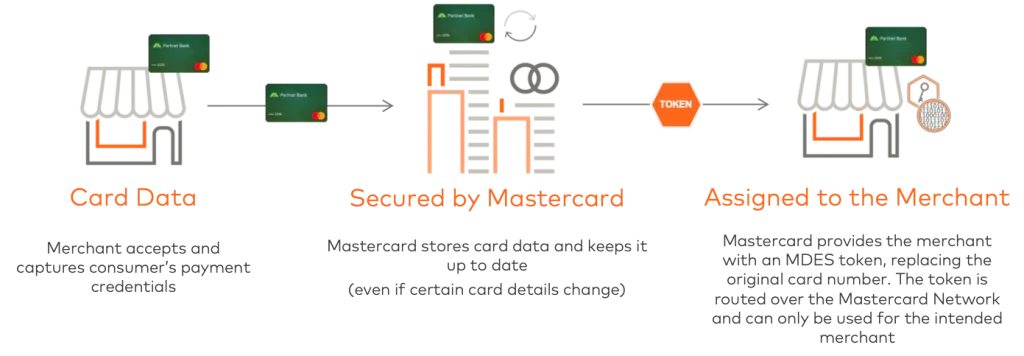
The mechanics of tokenisation involve substituting actual payment credentials—such as credit card numbers or bank account details—with unique, randomly generated tokens that hold no intrinsic value outside their specific transaction context. When a consumer initiates a payment through a digital wallet or online retailer, the tokenised data is transmitted rather than the original sensitive information. This approach significantly reduces the risk exposure for all parties in the transaction chain, as intercepted tokens cannot be reverse-engineered to reveal underlying financial data.
In the context of digital wallets, tokenisation enables seamless, secure transactions across mobile devices and contactless payment systems. E-commerce platforms leverage the technology to store customer payment information securely while reducing their own compliance burden under payment card industry standards. Banks and financial institutions employ tokenisation to protect customer data in online and mobile banking environments, reducing fraud risk and enhancing customer confidence in digital banking services.
The widespread adoption of tokenisation reflects industry recognition that traditional data protection methods are insufficient in an increasingly digital financial ecosystem. Regulatory frameworks, including payment card industry data security standards, have incentivized or mandated tokenisation implementation. As cyber threats evolve and consumer expectations for data security rise, tokenisation continues to evolve, incorporating advanced encryption and multi-factor authentication approaches. For the iGaming sector specifically, tokenisation provides operators with a secure mechanism for processing player deposits and withdrawals, supporting both regulatory compliance and player trust in digital payment systems.
Original report
Payment Expert
Summary is editorial. Full reporting, images and rights belong to the source.
Get the news by email
A digest of the day's top iGaming stories, straight to your inbox.