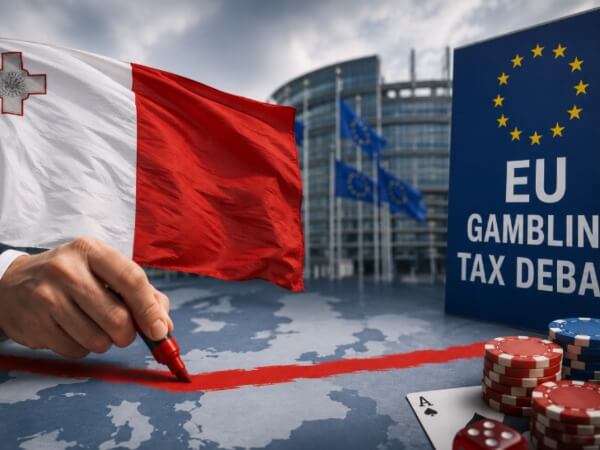
Malta Draws a Red Line as EU Gambling Tax Debate Gains Momentum
The brief
Malta has signaled its readiness to block any European Union initiative that would grant Brussels new taxing authority over member states, a stance with direct implications for the continent's online gambling sector. The island nation's position comes as the EU prepares to negotiate its next long-term budget framework, a process where such fiscal matters typically surface. For an industry already navigating fragmented regulatory landscapes across dozens of jurisdictions, a centralized EU tax regime could represent either standardization or existential disruption depending on its design.
Malta's leverage in this debate stems partly from its economic dependence on gaming and financial services. The nation has cultivated a reputation as a gaming hub and hosts numerous licensed operators, making it a stakeholder with genuine skin in the game. Any EU-wide tax would directly affect the competitiveness of Malta-based operators and the tax revenue flowing into the Maltese treasury. By staking out this position early, Malta is attempting to shape the conversation before formal negotiations begin, a common tactic in EU budget discussions where smaller member states must maximize their influence.
The broader context matters here: the EU has long struggled with tax harmonization across member states, and gambling remains one of the most heavily taxed and regulated sectors precisely because tax rates vary wildly. Some jurisdictions impose minimal levies while others take substantial cuts. A centralized EU tax could theoretically level the playing field, but it could also undermine the competitive advantages that certain member states—particularly Malta—have built. Operators might face double taxation or be forced to restructure their operations.
For the iGaming industry, Malta's veto threat is a reminder that regulatory and tax policy remain fundamentally national concerns, even within the EU framework. Operators relying on Malta licenses or operating across multiple EU markets should monitor these budget negotiations closely. The outcome could reshape tax obligations, licensing strategies, and market entry calculations across the continent. If Malta successfully blocks centralized tax powers, the fragmented approach will likely persist, maintaining both complexity and opportunity for operators nimble enough to navigate it.
Original report
iGaming Today
Summary is editorial. Full reporting, images and rights belong to the source.
Get the news by email
A digest of the day's top iGaming stories, straight to your inbox.