Wynn Resorts chair positive on Las Vegas as global destination, critiques sale/leaseback casino model
The brief
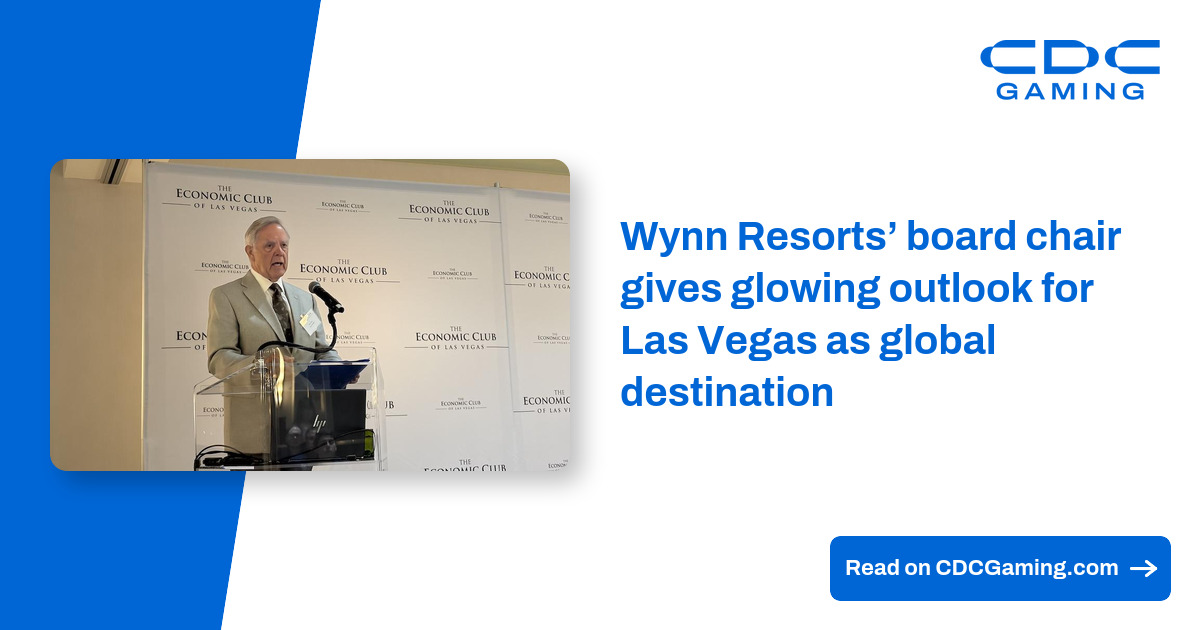
The board chair of Wynn Resorts has publicly raised concerns about a structural trend affecting Las Vegas's long-term competitiveness: the sale and leaseback of casino properties by operators to third-party investors. While expressing optimism about the city's future as a world-class vacation destination with appeal extending well beyond gaming, the executive highlighted how this financial model can constrain operators' ability to reinvest in property upgrades and amenities essential for attracting international visitors.
The sale-leaseback arrangement, common in real estate finance, allows casino operators to unlock capital by selling properties to investors and leasing them back. While this generates immediate liquidity, it can reduce operational flexibility and capital availability for ongoing renovations, technology upgrades, and experiential enhancements that differentiate properties in a competitive market. For a destination like Las Vegas that relies on continuous innovation to maintain its appeal, such constraints pose strategic risks.
This commentary reflects broader industry concerns about how financial engineering can undermine the competitive positioning of major gaming destinations. As operators face pressure to optimize balance sheets and satisfy shareholders, the temptation to pursue sale-leaseback transactions may increase, potentially creating a two-tier market where some properties benefit from owner-operator reinvestment while others operate under more restrictive lease arrangements.
The remarks carry implications for Las Vegas's regulatory environment and economic development strategy. Policymakers may need to consider whether current financial practices adequately support the destination's long-term vitality. For competitors like Macau and emerging Asian markets, Wynn's concerns underscore an opportunity: destinations that maintain operator control and encourage reinvestment may gain competitive advantage. The debate also signals that industry leaders recognize Las Vegas's success depends on factors beyond gaming—entertainment, hospitality, and continuous property evolution—making financial structures that limit reinvestment a genuine threat to the city's market position.
Original report
CDC Gaming
Summary is editorial. Full reporting, images and rights belong to the source.
Get the news by email
A digest of the day's top iGaming stories, straight to your inbox.